The Golden Knights were on an 11-2 run and cruising to the top of the Pacific Division when the season was suspended. It wasn't just a fluky hot streak, but a run that was coming for some time.
The Knights were the NHL's best team in shots for percentage and expected goals for percentage. They were also generating more scoring chances per 60 minutes than any other club. What held this team back was poor puck luck - evidenced by a 9.14 shooting percentage, well below league average - and uncharacteristically poor goaltending - 25th in the league in save percentage.
The deadline acquisition of Robin Lehner solidifies Vegas between the pipes. It offers a terrific insurance policy if Marc-Andre Fleury doesn't live up to his stellar postseason resume. Everything was coming together for the Knights before the pause and they're primed for a legitimate Cup run with improved goaltending.
Carolina Hurricanes (+4000)
The Hurricanes are the only team in the East that measures up to Vegas' statistical dominance. Carolina, however, isn't priced accordingly. The Canes led the NHL in Corsi For rating, expected goals for per 60 minutes, and high-danger scoring chances per 60 minutes. Carolina was also second in shots for percentage and third in expected goals for percentage, just a hair behind Vegas in both categories. As a kicker, the Canes have the fourth-best penalty kill and eighth-ranked power play.
This forward group is loaded with talent and led by young stars Sebastian Aho, Teuvo Teravainen, and Andrei Svechnikov. To top it off, no team in the NHL is better or deeper on the blue line. Headlined by one of the league's top pairings in Dougie Hamilton and Jaccob Slavin, the Canes have six outstanding options to fill the bottom four, including deadline additions Brady Skjei and Sami Vatanen.
Their terrific depth on the back end will help them absorb the losses of Hamilton and Brett Pesce, both of whom are slated to miss the play-in series with the New York Rangers due to injury. However, they will be back to solidify the league's top blue line should the Canes progress.
Petr Mrazek and James Reimer weren't particularly great this season, but goaltending can be streaky, and they both possess the skills to get hot. If they can do that, then Carolina can beat anyone given the quality and depth of this roster.
Columbus Blue Jackets (+6000)
Coach John Tortorella has built Columbus for the playoffs. The Blue Jackets are four lines deep, block shots, hit everything in sight, and wear teams down with an aggressive forecheck. Columbus was eighth in the NHL in points percentage and first in five-on-five SV% when top defender Seth Jones was hurt on Feb. 8.
The Jackets are aided by a strong blue line and terrific goaltending tandem. Goaltenders Elvis Merzlikins and Joonas Korpisalo are capable of taking this team far. The Jackets had the fewest expected goals against per 60 minutes in the regular season.
Their issue was scoring, but they were plagued with injuries and no club had more man games lost than Columbus this season. Oliver Bjorkstrand, Cam Atkinson, Alexander Texier, and Josh Anderson will all be back from injury. Opponents should fear the Blue Jackets if they can find a scoring touch to go with their lights-out defensive play.
Alex Moretto is a sports betting writer for theScore. A journalism graduate from Guelph-Humber University, he has worked in sports media for over a decade. He will bet on anything from the Super Bowl to amateur soccer, is too impatient for futures, and will never trust a kicker. Find him on Twitter @alexjmoretto.
Teams are transitioning to hub cities. Exhibition games are on deck in Edmonton and Toronto. It's time to talk hockey.
Below is a breakdown of one dominant storyline for each Eastern Conference club participating in the qualifying round, with a quick note about a player to keep an eye on when the action begins Saturday. (We'll cover the Western Conference on Monday.)
Boston Bruins
Dave Sandford / Getty Images
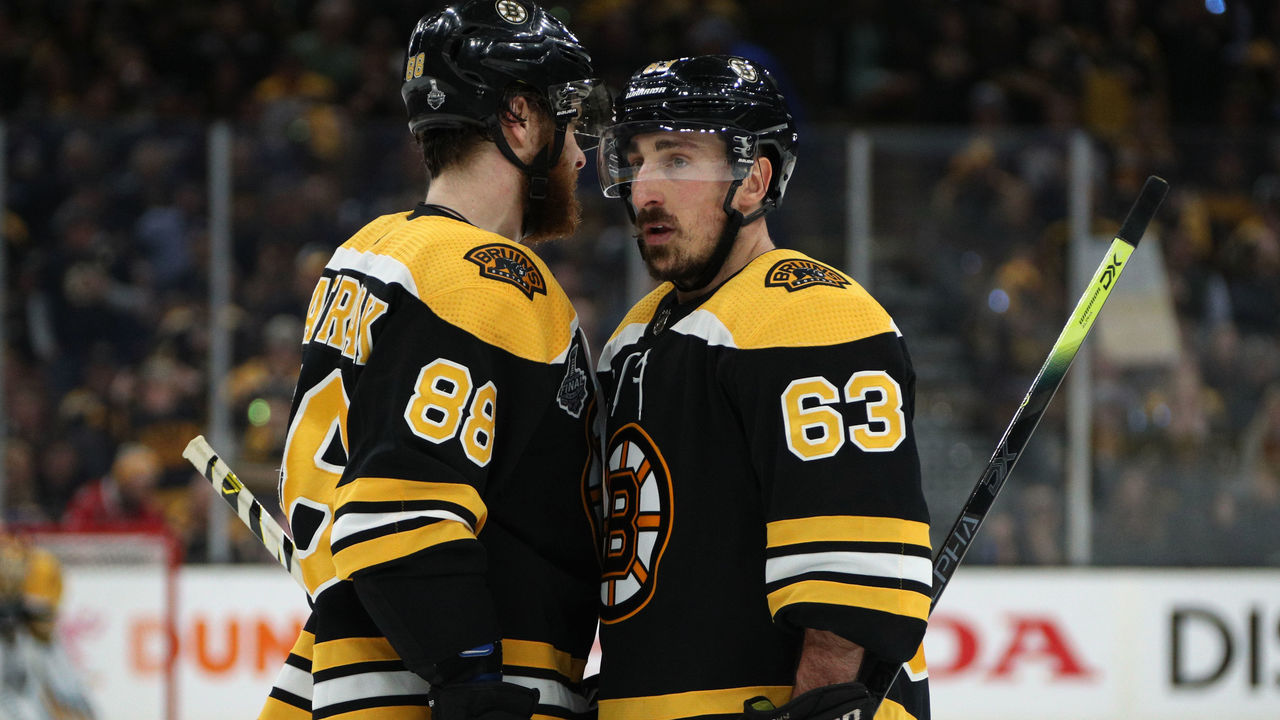
Armed with veteran leadership and a playoff-tested roster, the Presidents' Trophy-winning Bruins looked practically bulletproof heading into summer camp. But with COVID-19 added as a potential cause of derailment for a stacked team, this postseason is tenuous. Star winger David Pastrnak - who missed the bulk of training camp to quarantine after coming into contact with someone who tested positive for COVID-19 - was one of many Bruins to sit out at least one day of summer camp. Pastrnak is off to Toronto with the team, so he appears to be on track to return to the lineup. But it would be a shame if non-hockey factors diminish Boston's chance at redemption following a Game 7 loss in the 2019 Stanley Cup Final. The Bruins were the only team to finish with a .700 points percentage in 2019-20. They boast the best line in hockey with Patrice Bergeron between Pastrnak and Brad Marchand, elite goaltending, a fearsome blue line, and a top-notch coach. Here's to good health.
Player to watch: Brandon Carlo plays an understated game but the 6-foot-5 defenseman is more than capable of handling the opposition's best players.
Carolina Hurricanes
Gregg Forwerck / Getty Images
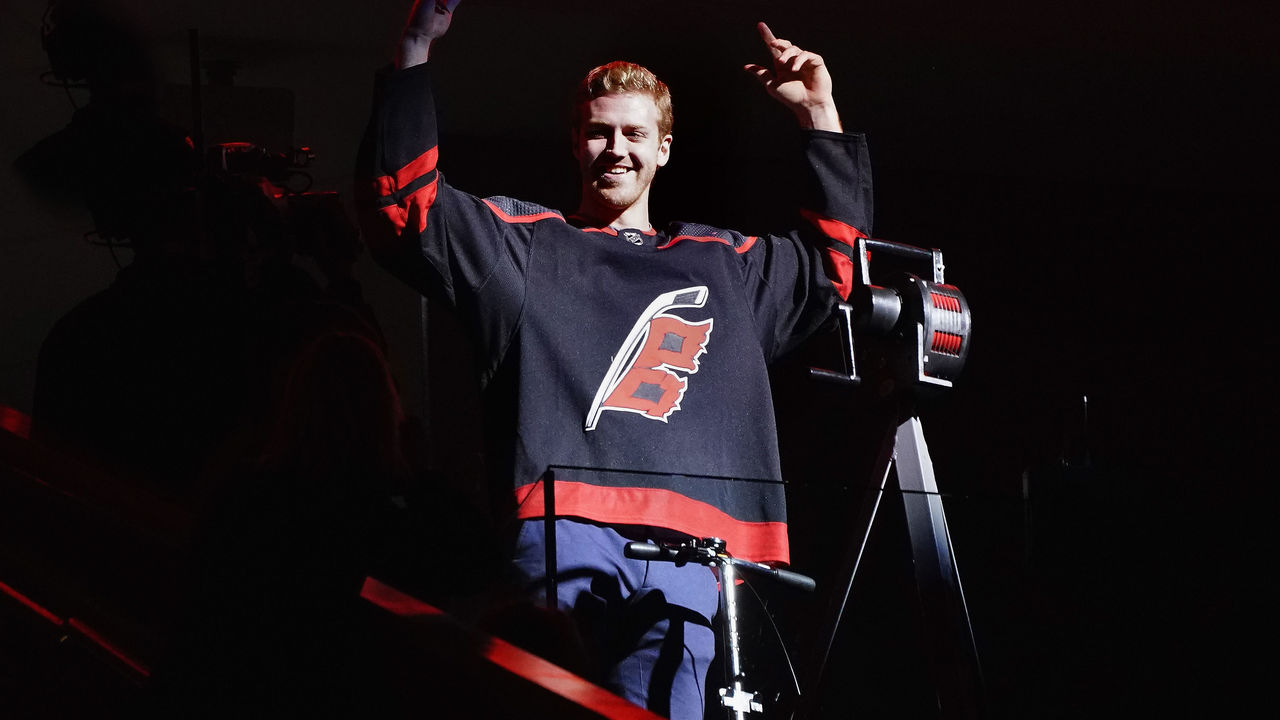
For the second straight year, the Hurricanes - who lost in the conference finals in 2018-19 - had a legitimate shot at going on a postseason run. Or so it seemed. Dougie Hamilton's slated return hit a snag this week when the stud defenseman left practice. Based on reports, his issue appears to be an injury, not an illness. If Hamilton's latest setback after breaking his leg in December is only minor, inserting him into the lineup will surely give Carolina a shot in the arm. However, the indefinite absence of Brett Pesce, another important member of the club's formidable blue line, at least partially offsets that potential boost. The vast majority of playoff teams are fully healthy, and the Canes are the exception. And neither of the team's goalies is elite. That means clutch performances from the forward group - namely, offensive catalysts Sebastian Aho and Andrei Svechnikov - will be critical. The Rangers, who swept the four-game regular-season series with Carolina, won't be an easy out in the qualifying round.
Player to watch: Justin Williams rejoined the team in January for one last playoff run at 38 years old. Mr. Game 7 already has three Stanley Cup rings, a Conn Smythe, and eight game-winners.
Columbus Blue Jackets
Jeff Vinnick / Getty Images
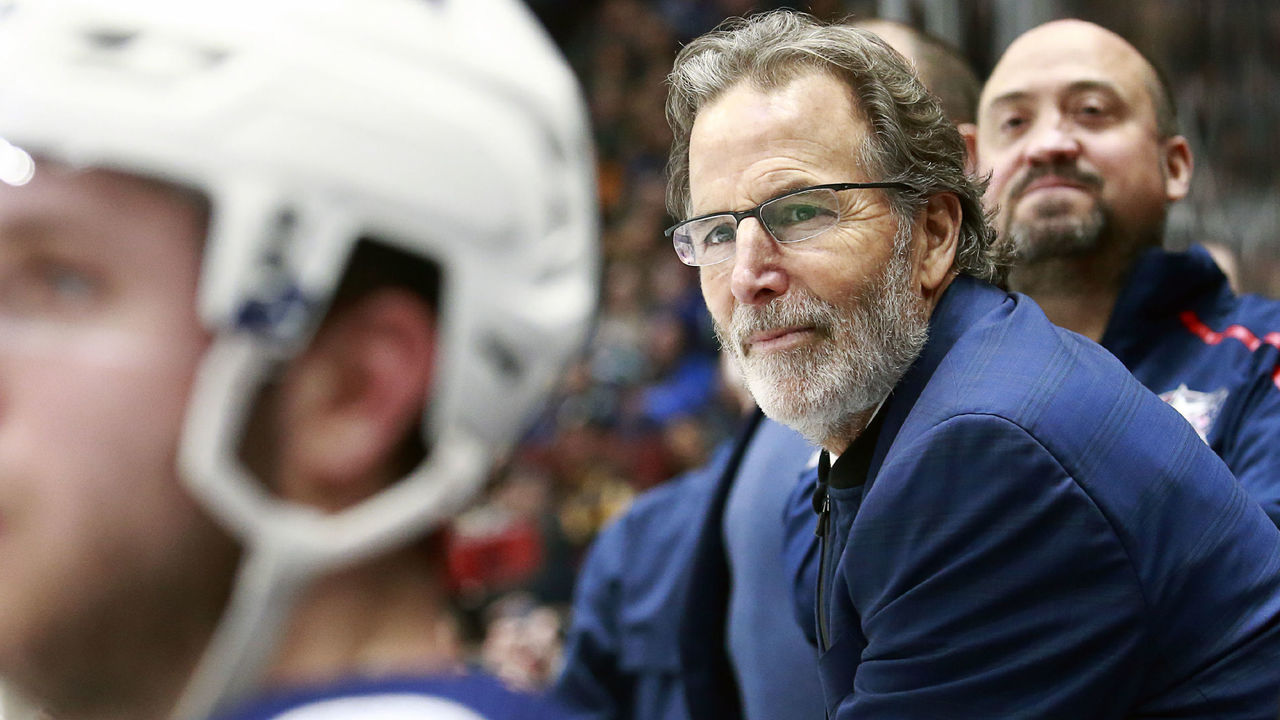
John Tortorella received his fifth Jack Adams Trophy nomination last week. The nod was wholly deserved: The Blue Jackets, who were steamrolled by injuries throughout the regular season, finished with the same points percentage as the Maple Leafs, who boast a superior roster. Yet, even with his club now close to full health, Tortorella will have his work cut out for himself versus Toronto and coach Sheldon Keefe. This tantalizing qualifying-round series pits a skilled, free-skating squad against a structured, defensive squad. We know the Blue Jackets are capable of winning that battle of extremes thanks to last year's sweep of the 62-win Lightning. But can they do it again?
Player to watch: It'll be fascinating to see how Pierre-Luc Dubois, a 22-year-old No. 1 center, fares in a series that features stars Auston Matthews and John Tavares lining up on the other side.
Florida Panthers
Eliot J. Schechter / Getty Images
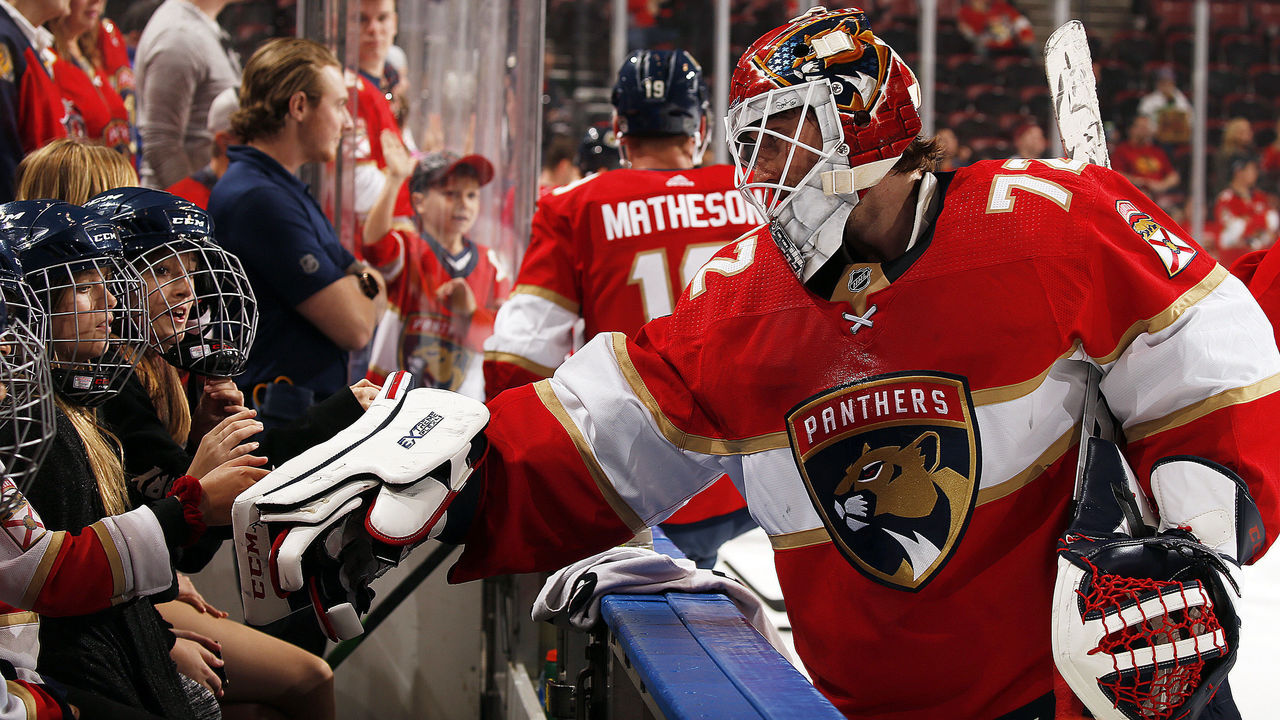
The Panthers haven't won a playoff series since 1996, so a qualifying-round victory over the Islanders would mean a lot to the franchise. Plus, the team's long-term pillars - Aleksander Barkov, Jonathan Huberdeau, and Aaron Ekblad - have been around since 2014 but have appeared in only six postseason games (coincidentally, all versus the Islanders). Any additional high-pressure experience is helpful for this team to grow. But the Panthers will be doomed if Sergei Bobrovsky, who authored a career-worst .900 save percentage in 48 starts this season, doesn't stand on his head against New York.
Player to watch: Mark Pysyk, who's a rare hybrid skater. He played both defenseman and forward in the regular season while posting a career year offensively. He's done double duty in summer camp, too, but has been penciled in to start at forward during the qualifying round.
Montreal Canadiens
Francois Lacasse / Getty Images
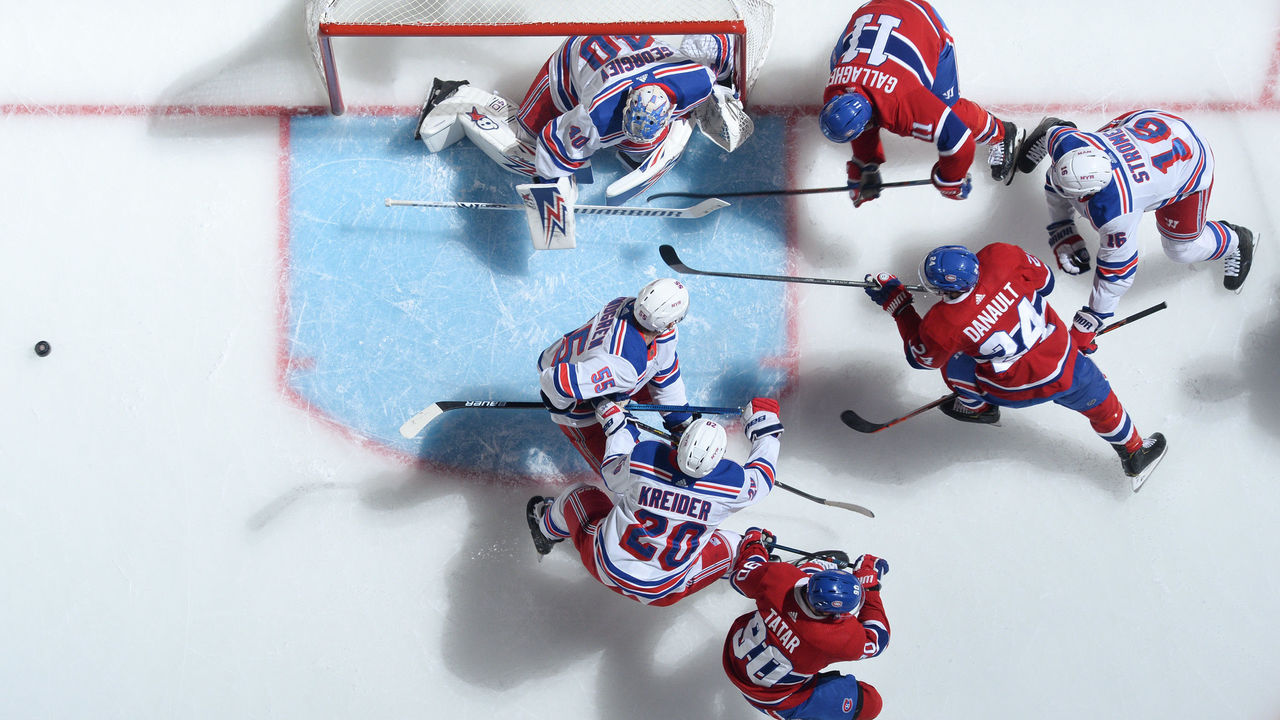
The Canadiens are lucky to be included in the 2020 postseason. But with a 13% chance of drafting top prospect and Quebecker Alexis Lafreniere, the prize for bowing out in the qualifying round isn't bad. That said, assertive performances from captain Shea Weber and goalie Carey Price are absolutely necessary if the Habs plan to make any noise against the Penguins. Also crucial: Phillip Danault's line, which features Brendan Gallagher and Tomas Tatar on the wings, must bury its scoring chances. Can the trio, which threw everything but the kitchen sink at opposing netminders every night in the regular season, capitalize on its possession and turn more shot attempts into goals in a best-of-five series?
Player to watch: Max Domi, a Type 1 diabetic, is going to play in the restart, though it's possible his underlying health condition could become a psychological distraction within the tightly secured Toronto bubble.
New York Islanders
Mike Stobe / Getty Images
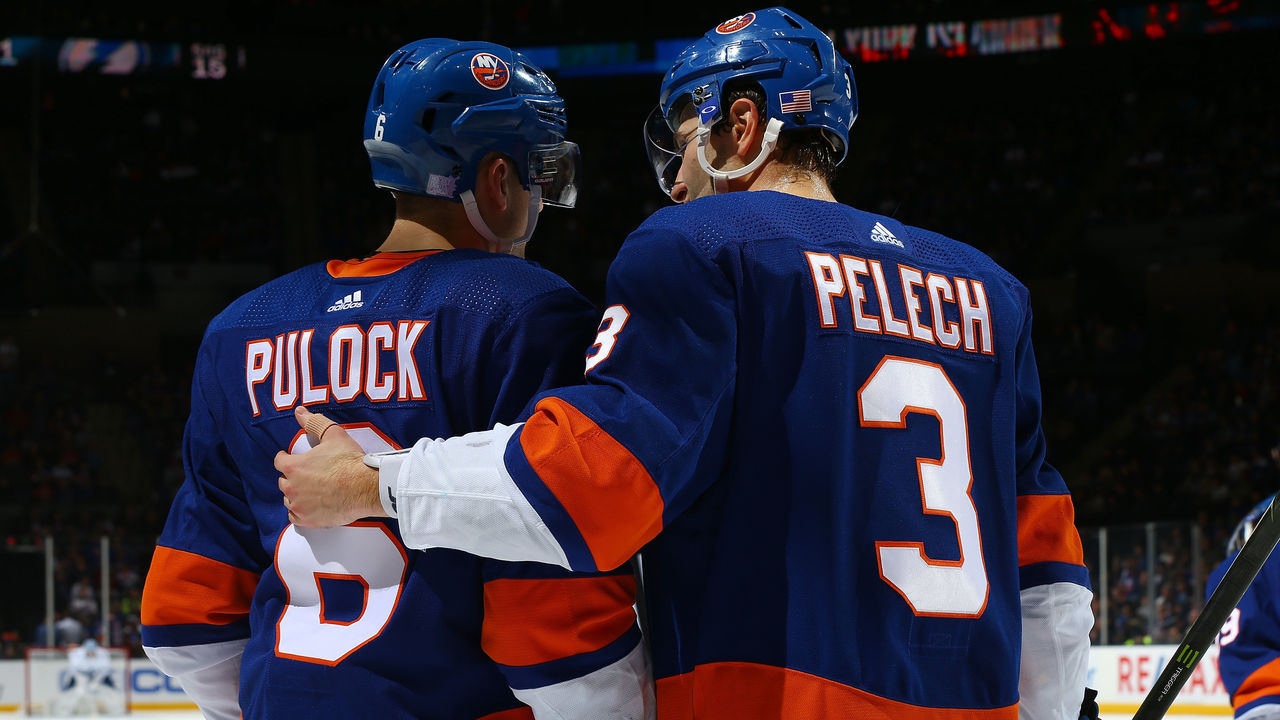
Adam Pelech and Ryan Pulock combine to make the best defense pairing many NHL fans have never heard of. Based on certain metrics, they form one of the league's best pairings, period. Pelech, a 6-foot-3, no-frills left-hander who excels at the subtitles of the position, was initially ruled out for the playoffs after tearing his Achilles tendon in January. Then the hiatus dragged on. His return is welcome news to coach Barry Trotz, considering the Isles were 10-13-7 without Pelech in the lineup, losing 11 of their final 13 regular-season games. Pelech and his partner will be essential to minimizing Barkov's impact in the qualifying round against the Panthers.
Player to watch: Jean-Gabriel Pageau. The two-way center signed a six-year deal immediately after the Senators traded him to the Isles. However, because of the NHL's pause, he's dressed for just seven games with his new squad.
New York Rangers
Icon Sportswire / Getty Images
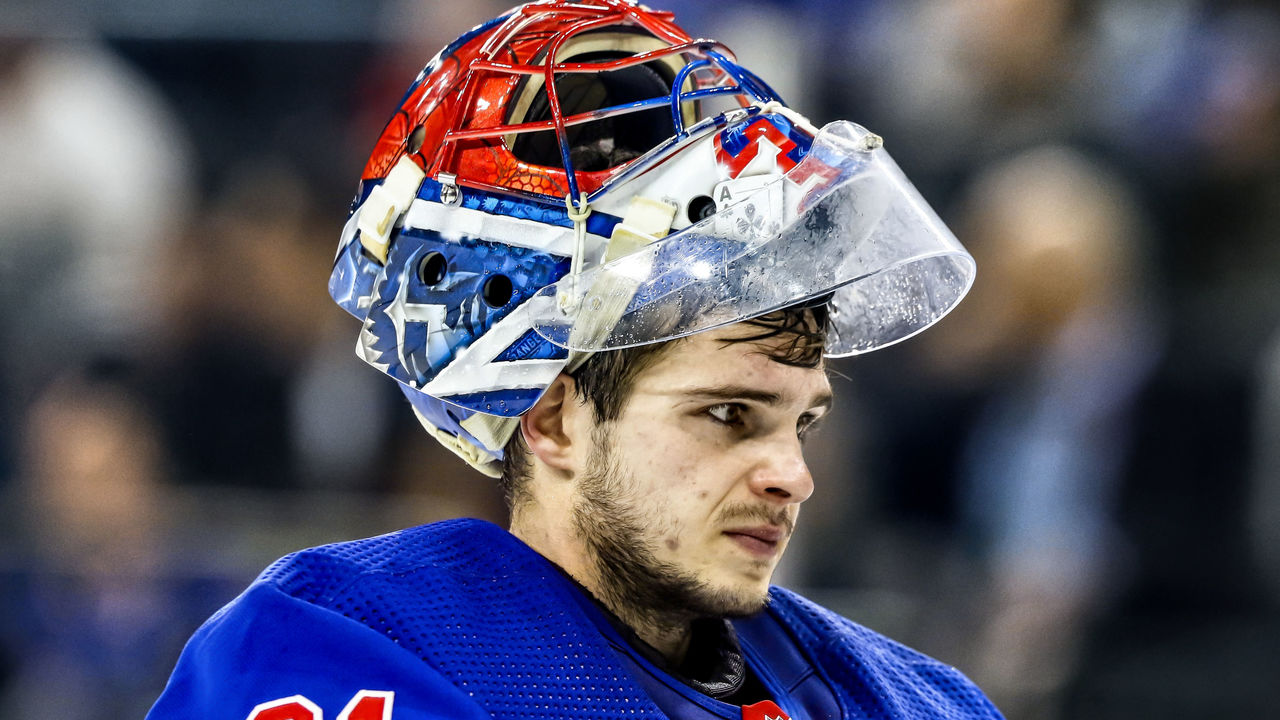
So, about that elephant in the Rangers' dressing room. Yeah, it didn't leave during the hiatus. What happens in the crease, with Igor Shesterkin, Henrik Lundqvist, and Alexandar Georgiev all capable of tending an NHL net? The smart money is on Shesterkin starting and Lundqvist backing up throughout the qualifying round, but there are no guarantees. It will be extra important for the Rangers, seeing as they aren't great defensively and the Hurricanes finished the regular season with the NHL's 12th-ranked offense. Being included in this restart is found money for the organization. The Rangers' rebuild - which started with a letter to the fan base in February 2018 - remains incomplete. Stanley Cup aspirations can wait.
Player to watch: Reports out of Rangers camp suggest Kaapo Kakko, the second overall pick in the 2019 draft, is sharper and operating with "more swagger." The raw rookie totaled just 10 goals and 23 points in 66 regular-season games.
Philadelphia Flyers
Len Redkoles / Getty Images
The Flyers will be an intriguing group to monitor when action resumes. No team was hotter when the NHL paused March 12; Philadelphia had won 10 of 11 and boasted a sparkling 19-7 record since Jan. 8. The Flyers have earned their top-four spot in the Eastern Conference, but following an almost five-month break, will head coach Alain Vigneault's squad be able to recapture its pre-hiatus form? Carter Hart, the organization's 21-year-old savior in the crease, will experience NHL playoff hockey for the first time. Having the runway of the round robin could come in handy for Hart and his teammates.
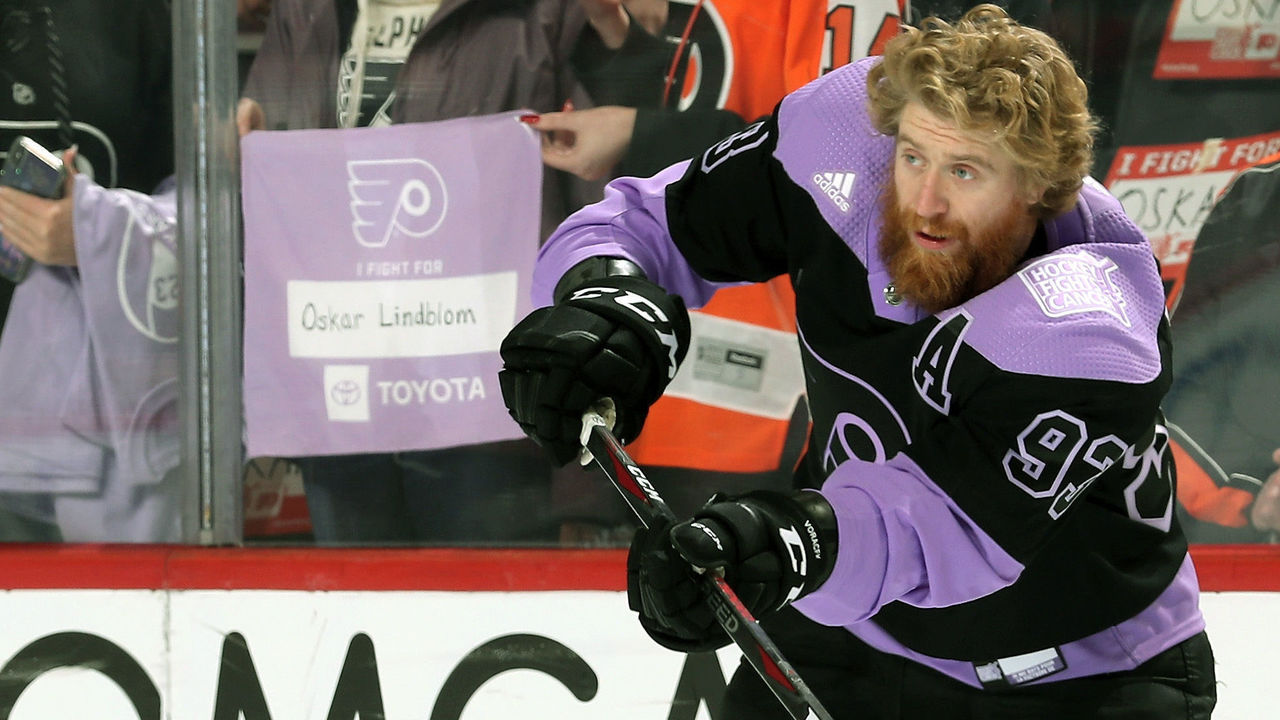
Player to watch: Oskar Lindblom continues to add chapters to his inspiring story and could potentially return to practice after undergoing treatment for bone cancer. He and the club agreed to a three-contract extension last week following the July 2 announcement that he was cancer-free.
Pittsburgh Penguins
Icon Sportswire / Getty Images
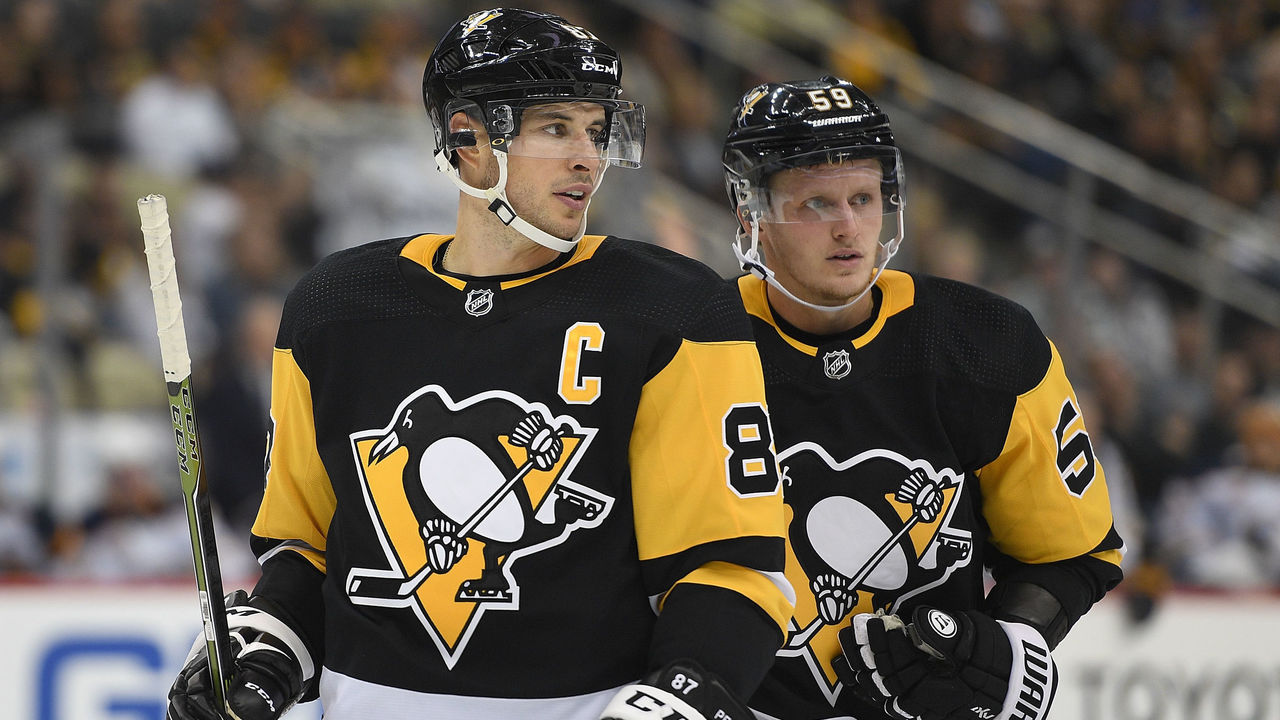
It seems odd to say this about the three-time Stanley Cup champs during the Sidney Crosby-Evgeni Malkin era, but the Penguins are a sleeping giant. Pittsburgh ranked seventh in points percentage in the NHL prior to the pause. Yet, because of the unique restart format, they're competing in the play-in round as the Eastern Conference's fifth seed. The club's calling card is its enviable top six of Crosby, Malkin, Jake Guentzel, Bryan Rust, Jason Zucker, and Conor Sheary, and we haven't seen those six at full force for any meaningful stretch. Crosby and Guentzel combined to miss 58 regular-season games, Malkin and Rust were out for 14 contests each, while Zucker and Sheary appeared in only 15 and eight games, respectively, after being acquired midseason. The goaltending battle - Matt Murray versus Tristan Jarry for the starter's job - is important, of course, but the Pens' offense will carry this team.
Player to watch: Forty-year-old Patrick Marleau continues to chase that elusive Stanley Cup. The second-oldest player in the postseason came over from San Jose at the trade deadline, averaging 15:25 across eight games for Pittsburgh.
Tampa Bay Lightning
Ethan Miller / Getty Images
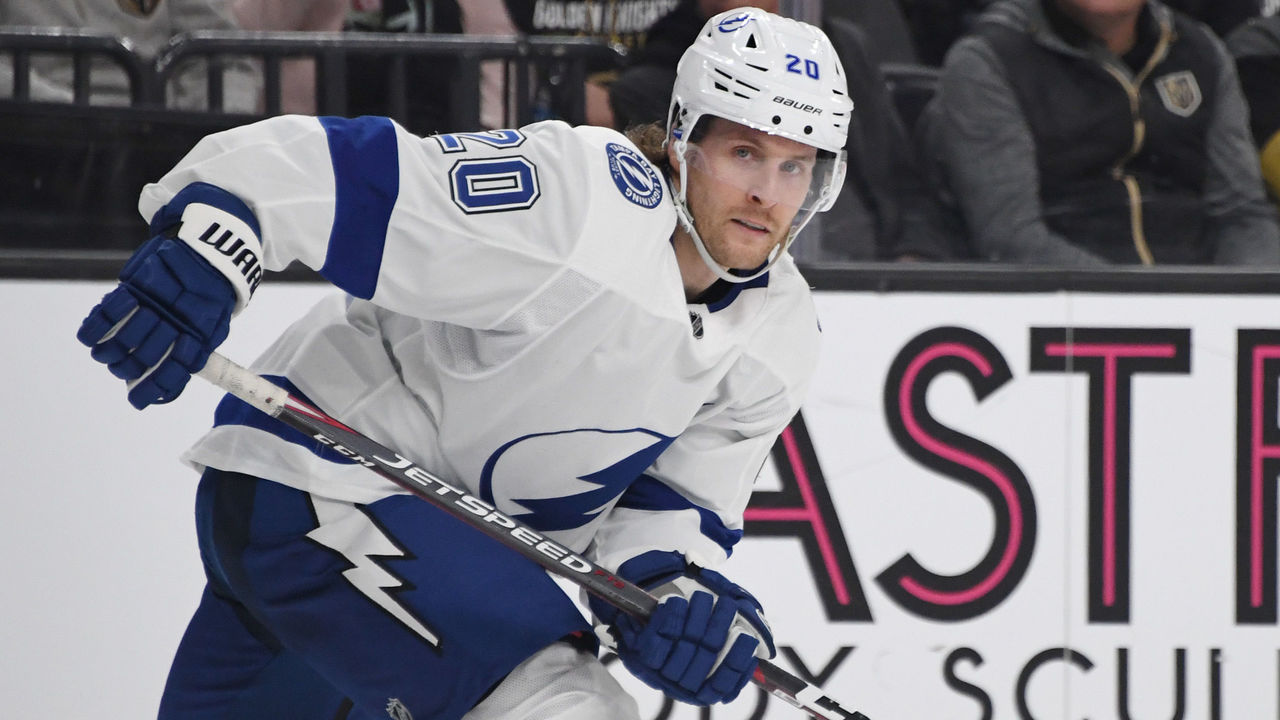
At every turn prior to the break, Lightning coach Jon Cooper fielded questions about the in-house impact of his team's first-round loss to the Blue Jackets last spring. When you tie an NHL record for regular-season victories but don't win a single game in the first round, there's no escaping external doubt. However, it might be time to recalibrate our attention. Already the league's best team on paper, the Lightning acquired Blake Coleman and Barclay Goodrow at the trade deadline. A deep team at every position got deeper. Can the new, jack-of-all-trades forwards add yet another layer of hell for opposing coaches and players?
Player to watch: Anthony Cirelli is a brilliant two-way center. The 2015 third-rounder's profile was raised in the regular season thanks to a Selke Trophy-caliber body of work. A strong postseason would be the cherry on top.
Toronto Maple Leafs
Claus Andersen / Getty Images
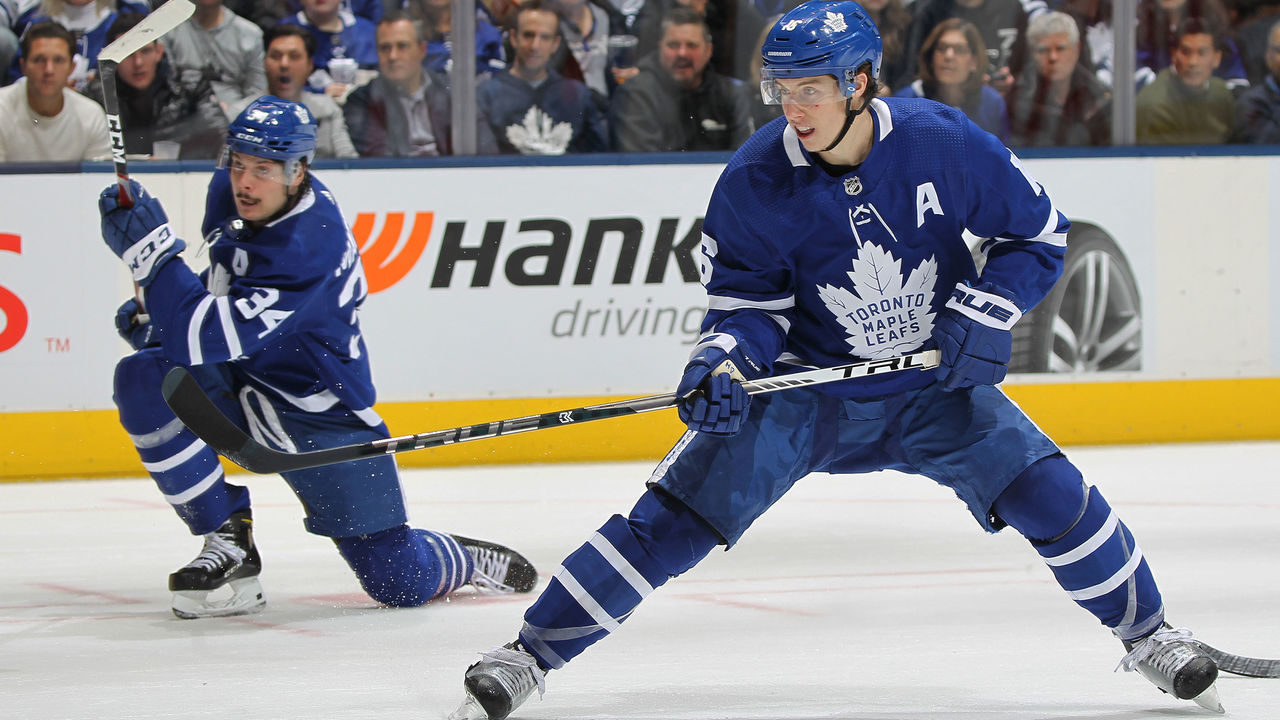
For a franchise with playoff demons in desperate need of slaying, just getting past the qualifying round would be considered an accomplishment. The 36-25-4 Maple Leafs, who have made the postseason in each of Auston Matthews' four NHL seasons, haven't advanced beyond the first round since 2004. Former head coach Mike Babcock was criticized for not making necessary in-game adjustments against the Bruins last season. This year, rookie bench boss Sheldon Keefe has shown over a 47-game sample that he won't hesitate to mix and match his lines if necessary. In training camp, Keefe has debuted what's being called Toronto's "nuclear option" - Matthews alongside John Tavares and Mitch Marner. The Leafs rival any club in high-end talent, living and dying by the collective performance of their stars. We're about to see how the players and coaches react to a defensive juggernaut like the Blue Jackets in a short series.
Player to watch: Frederik Andersen. The Leafs' starting goalie is coming off his worst regular season (.909 save percentage in 52 starts). The big Dane will be asked, as usual, to plug holes in Toronto's defense.
Washington Capitals
Patrick Smith / Getty Images
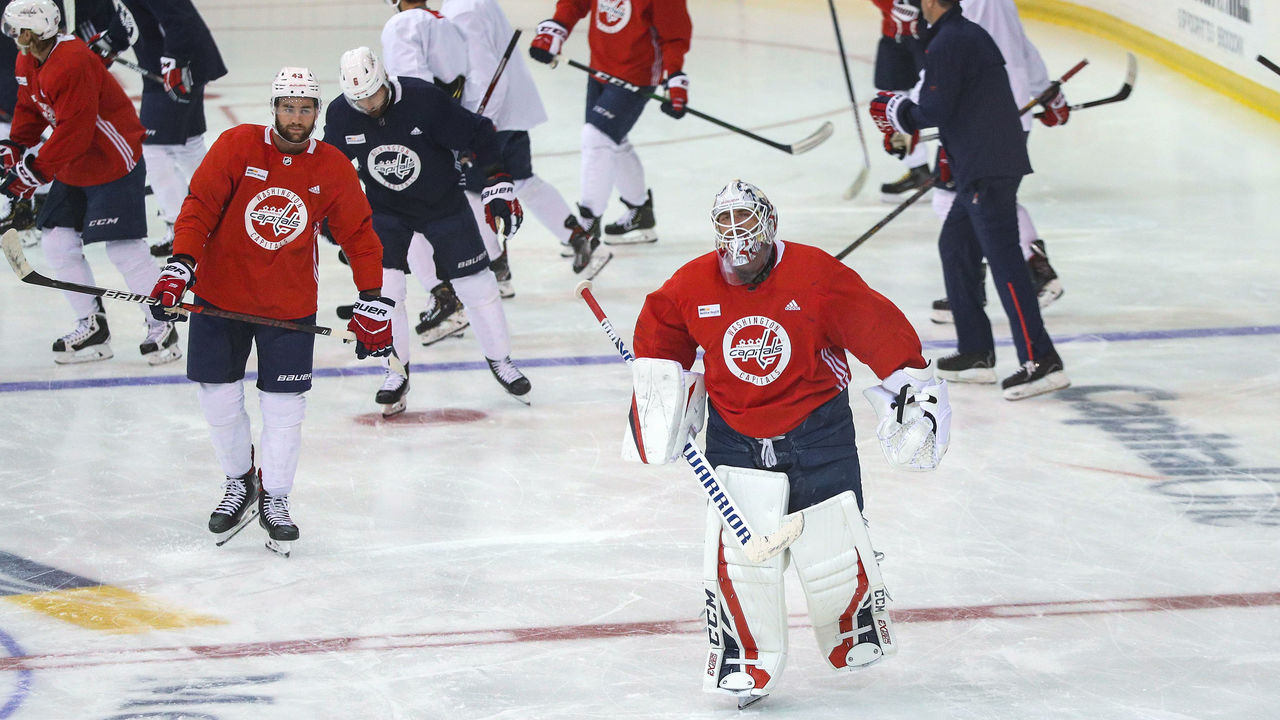
The average age of the Capitals' roster is 29.2 years old, tying them with Dallas for the oldest team in the restart, according to CapFriendly. That gray-beard label can be viewed as both a positive and a negative, though the age ranking mainly reminds us that the core behind the most successful period in Capitals history won't be together forever. While plenty of guys are locked up, starting goalie Braden Holtby might leave via free agency this fall, and superstar Alex Ovechkin is unrestricted next summer. For now, the Metropolitan Division champions are as big a threat as ever following a 41-20-8 regular season, and the pressure is off thanks to the 2018 Stanley Cup win.
Player to watch: Ilya Kovalchuk is on his third team of the 2019-20 season. After being bought out by L.A. and signing in Montreal, the 37-year-old landed in D.C. at the trade deadline. He's pitched in four points in seven games.
The Arizona Coyotes and general manager John Chayka appear to be heading in different directions.
At some point during the NHL's hiatus, the Coyotes were asked about Chayka's availability, and the team granted him permission to explore another opportunity, according to Sportsnet's Elliotte Friedman.
The potential opening is apparently not with another team and is a different professional opportunity, according to The Athletic's Craig Morgan.
"It was not a lateral move," said one of Friedman's sources. "He was not going to be the GM of another NHL team."
Owner Alex Merulo signed Chayka to a long-term deal in November and said he was "fully confident" that the general manager was the right person to lead the club moving forward.
However, while recently discussing a possible "transition period" where Chayka would remain as the Coyotes GM through the remainder of the season, talks fell apart, according to Friedman.
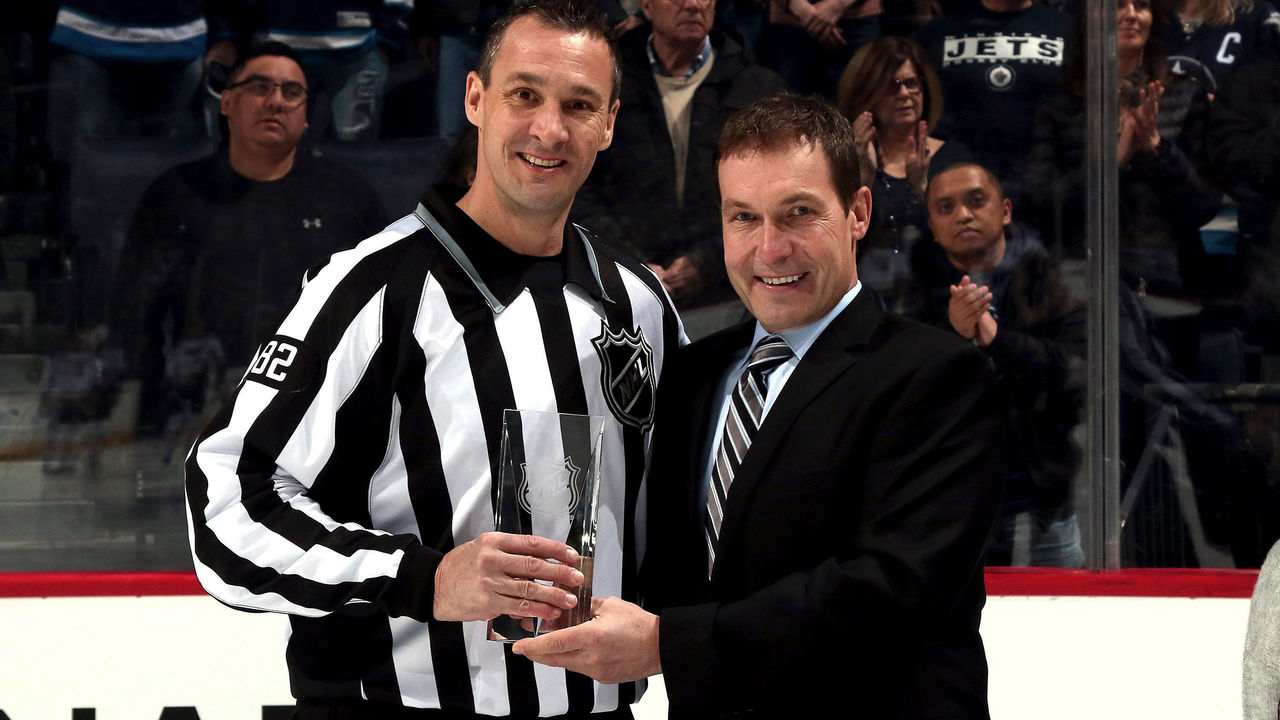
Roughly a year ago, Stephen Walkom was still processing the carnage. Over the course of the 2019 NHL playoffs, the league's director of officiating was seemingly forced to deal with a new headache involving his best referees and linesmen every time he turned around.
"Mistakes happen. Our job as officials is to recover. Last postseason wasn't easy," Walkom said in August 2019 at the league's annual officiating scouting combine. "A lot of unfortunate incidents affected results. And, our team collectively, we know we need to be better. That's life, and we'll learn from it."
Walkom (right) with linesman Ryan Galloway Jonathan Kozub / Getty Images
This postseason won't be easy for Walkom and his crew, either, but for completely different reasons. The NHL is trying to crown a Stanley Cup champion through a 24-team tournament while the world continues to wrestle with a pandemic. Like all leagues trying to restart now, the NHL is walking a tightrope, and the health and safety of its on-ice participants is a significant issue.
Not a single official lost their job during the league's hiatus, according to Walkom, despite the absence of games to officiate. So for the past four-plus months, management has tried to keep spirits high, minds sharp, and bodies in shape. Now, a total of 40 officials - two groups of 10 referees and 10 linesmen - are stationed in Edmonton and Toronto. Nobody tested positive for the coronavirus before commuting to their hub city and, in the few days they've been acclimating to bubble life, nobody has received a positive test.
"Our team was kept at the ready," Walkom said Friday in a lengthy phone interview, adding: "Now we know our guys are safe to go and skate."
The bubbled officials hit the ice for the first time in groups Friday and will commence two-day mini-training camps Sunday. They'll call their first games in nearly five months over a slate of exhibition games Tuesday through Thursday.
How will officials navigate the various obstacles inherent in the NHL's restart efforts? Walkom let us in on the group's mindset, role, and stiffest tests.
––––––––––
Is there some rust to shake off for officials since they're coming off a long layoff? It's essentially like coming out of the summer in a normal year.
Stephen Walkom: It is. To mitigate that, that's why we did the dryland training. (It helped us) simulate skating, to simulate agility and mobility. That's what we really worked on because we know that that's going to be our biggest challenge. These teams are going to come out of the gate hard. We made sure that we came into the hub early so that we'd have lots of opportunities to get on the ice and get up to speed so that our skill set would match the pace of the game. That's what we planned on doing.
From a practical perspective, how might an official's job be changed during the pandemic? Are there going to be fewer discussions with coaches and trips to the penalty box?
SW: Once you get on the ice, you're really just trying to stay out of the way. (laughs) It's probably good - at any time - to stay out of the way. But, no, I think everyone in the bubble knows that all the participants that are on the ice have been thoroughly tested. I do believe that subconsciously you're going to understand that social distancing is probably in your best interest, even if everyone has been tested. I don't even know if (officials will) have enough time to think about it out there, but I'm sure it's going to be in the back of people's minds when you're on the ice.
Icon Sportswire / Getty Images
There's been plenty of talk about players having to adapt to buildings with no fans. How about officials? No booing, different sight lines, you can hear the players and coaches easier. What do you think it'll be like?
SW: Unless they pipe in boos, we should be good in that regard, right? (laughs) The fortunate thing is, when you're on the ice, you don't really hear much besides the people you're in tune with. It's amazing in a hockey game. You will hear a linesman's voice, but you won't hear the fans, and the linesman will be over at the (far) blue line. You will know the difference between a coach that's trying to get your attention on the bench and the player who might just be venting a little bit. It's amazing what you hear in that environment and you're almost conditioned to only hear what you need to hear.
So, I would think that you're not really going to notice as an official. If you're looking into the crowd or listening for the crowd, your focus is probably in the wrong place. And that's no different than being a player. As a player, you score a goal and you hear the fans screaming. But as you're flying up the ice and just about to beat a defenseman and then shoot a puck, you're probably not hearing anything. You're so focused in on playing. For the officials, I think it's the same thing. You're so focused in on officiating that you're really oblivious - except on stoppages - to people in the rink. So I don't know if it's going to change that much for officials. But, having said that, when you're an official and you step on the ice at the same time that a team steps on the ice, you hear the fans. You know for sure they're not cheering for you. There are times when you notice, but it's not during playing time. Do you understand what I mean?
Yeah. You're just so dialed-in. Being attentive is a big part of the job.
SW: You have to be dialed-in; A) for your safety, and B) to do a good job. You need to be absolutely focused on the game.
On a conference call with media earlier today, you talked a little bit about a new whistle for your officials. Can you expand on what's happening there? And, as a follow-up, is there anything else that's new about NHL officials in terms of equipment, uniform, or anything like that?
SW: I think that's the only thing that you'll notice, but it's not that big of a change for us. It's just a pealess whistle from Fox 40. Most people don't know, but we've been using it at the outdoor games for some time. The thing is, it has the same trill as a normal whistle, but it requires less force to blow. Less exhale. It doesn't have anything coming out of the top of the whistle, which may be better or it may not be better (for officials to use during the pandemic). I'm not a medical doctor, I've never tested it, but we thought this might be the best environment to test it in.
Brace Hemmelgarn / Getty Images
Was there any debate at all about officials wearing face coverings during games?
SW: No, not really. We're following the guidelines of whatever we're instructed to do, so I'm not sure what discussions went on in relation to that, but I think with all the (COVID-19) testing that they're doing, they feel pretty good about us going out there and being able to skate and do our jobs without the masks.
Are officials who get injured or fall ill going to be deemed "unfit to officiate" in the same way players are deemed "unfit to play," or is the league going to come out and say explicitly what the issue is?
SW: I think we're going to be following the guidelines no different than the players. Whoever our medical authorities are here, they'll let us know. I know that we've had two days of testing - really, we've probably had 10 days of testing (total) - and our test results have all been negative, which is good. But if someone does get injured, we are going to ensure, even for the play-in games, to have a standby referee and a standby linesman ready to go. As you know, we could have two or three games a day (in each hub city) and we don't really have a lot of time in between games. If we can reduce the time for an official to get ready, without delaying a game, we're going to do it. We hope that our guys all stay healthy, but if for some reason they don't, we'll deal with it as it comes.
Andy Marlin / Getty Images
Is there going to be any connection between officiating, game operations, and the broadcast? Are officials going to be mic'd-up, for instance? Be part of the entertainment at all?
SW: I'm hoping the majority of the entertainment comes from the players, but as you know, our guys have always cooperated with events (staff) in terms of being mic'd-up. We'll do the same going forward. Whatever they need us for, we'll help them out. Which is good. From what I'm told, I believe we're going to have a (microphone mounted at center ice pointed towards the top of the officials crease) for announcing penalties, so it won't be something we'll have to take off and transfer every single game. I think they're trying to minimize touchpoints in terms of the mics. You'd (normally) take off a mic and the next guy would wear it and the next guy would wear it (and so on).
As well, we're going to have separate dressing rooms. A crew will work a game, and then they'll leave, and that room will be completely cleaned. Another crew that's working the next game will be in a different room that's already been sanitized and cleaned, much like the players' dressing rooms. We're all part of making sure the dressing room is clean after each and every use to mitigate the risk of transferring anything. That's a really good thing.
What kind of treatment are officials going to receive inside the bubble? Do they have their own hotel floors? Private rooms? Will families be allowed in eventually? Can they access the same amenities as players?
SW: They've been pretty good with the hotels. Everybody has their own room. We're following the same procedures for the cleaning of your room. For our officials, if you leave your room, you have your mask on. You have a set time to be tested (for COVID-19) every day. We go down as a team, get tested, and we leave. We have common rooms to minimize our exposure to other people and other players. Everything we do, we're going to be doing it apart yet together to keep our guys as safe as possible. I think when it comes to families and such, our focus is to work the hockey games. We do understand the players and playing for a Stanley Cup and wanting to celebrate with their family. I think that's what the (players' association) is talking about. We know we're not the players in that regard.
Crawford then manned the crease for Team Black against Team Red in the scrimmage that followed the early portion of practice.
The 35-year-old goaltender had yet to join his teammates for an on-ice session since Phase 3 started July 13 after sitting out the voluntary workouts (Phase 2), which opened June 8.
Chicago will reportedly include Crawford on its playoff roster.
He posted a .917 save percentage and a 7.52 goals saved above average at 5-on-5 in 40 games during the regular season after missing 80 combined contests over the previous two campaigns due to concussions.
The Blackhawks held their final day of camp Saturday. They will fly to Edmonton - which will serve as their postseason hub city - on Sunday. Chicago will take on the St. Louis Blues in an exhibition game Wednesday before beginning a best-of-five play-in series against the Oilers on Aug. 1.
The Capitals expect Samsonov to be healthy for the 2020-21 campaign.
Samsonov didn't take part in Saturday's practice - the team's final session before its departure to Toronto on Sunday - and hasn't skated at all since training camp began, as Pell noted before the Capitals issued the statement.
The rookie netminder posted a .913 save percentage and a 4.34 goals saved above average in 26 games during the regular season. He outperformed veteran starter Braden Holtby. who authored a .897 save percentage and a minus-14.7 GSAA - the latter of which was third-worst in the NHL - in 48 contests.
Despite that disparity, Capitals head coach Todd Reirden said in June he expected Holtby to get the "first crack" at the No. 1 job in the postseason.
The Capitals drafted Samsonov 22nd overall in 2015. The 23-year-old spent four campaigns in the KHL before coming over to North America as one of the league's most highly touted goaltending prospects.
The No. 6 seed Nashville Predators are gearing up to take on the 11th-seeded Arizona Coyotes in what projects to be one of the more tightly contested matchups of the qualifying round.
Both clubs are built similarly, lacking offensive game-breakers but boasting strong goaltenders to support solid defensive schemes. Despite a considerable gap between the Predators and Coyotes in the standings, the two teams were only separated by four points, indicating this could be a long series.
Schedule
Game
Date
Time (ET)
1
Sun. August 2
2:00 p.m.
2
Tue. August 4
2:30 p.m.
3
Wed. August 5
2:30 p.m.
4*
Fri. August 7
TBD
5*
Sun. August 9
TBD
*If necessary
Tale of the tape
Coyotes
Stat
Predators
33-29-8
Record
35-26-8
2.71 (23rd)
Goals per game
3.07 (16th)
2.61 (4th)
Goals against
3.10 (20th)
19.2 (18th)
Power play %
17.3 (25th)
82.7 (5th)
Penalty kill %
76.1 (29th)
48.37 (24th)
5-on-5 Corsi For %
50.95 (10th)
7.27 (27th)
5-on-5 SH%
8.56 (12th)
.929 (4th)
5-on-5 SV%
.919 (13th)
Season series
The Coyotes and Predators clashed twice this past season, splitting the season series with one win a piece. Arizona won the first matchup in October by a score of 5-2, while Nashville rebounded with a 3-2 victory just before Christmas.
The two teams have met in the postseason once in their brief histories - a 4-1 Coyotes victory in the second round of the 2012 Stanley Cup Playoffs.
Key players to watch
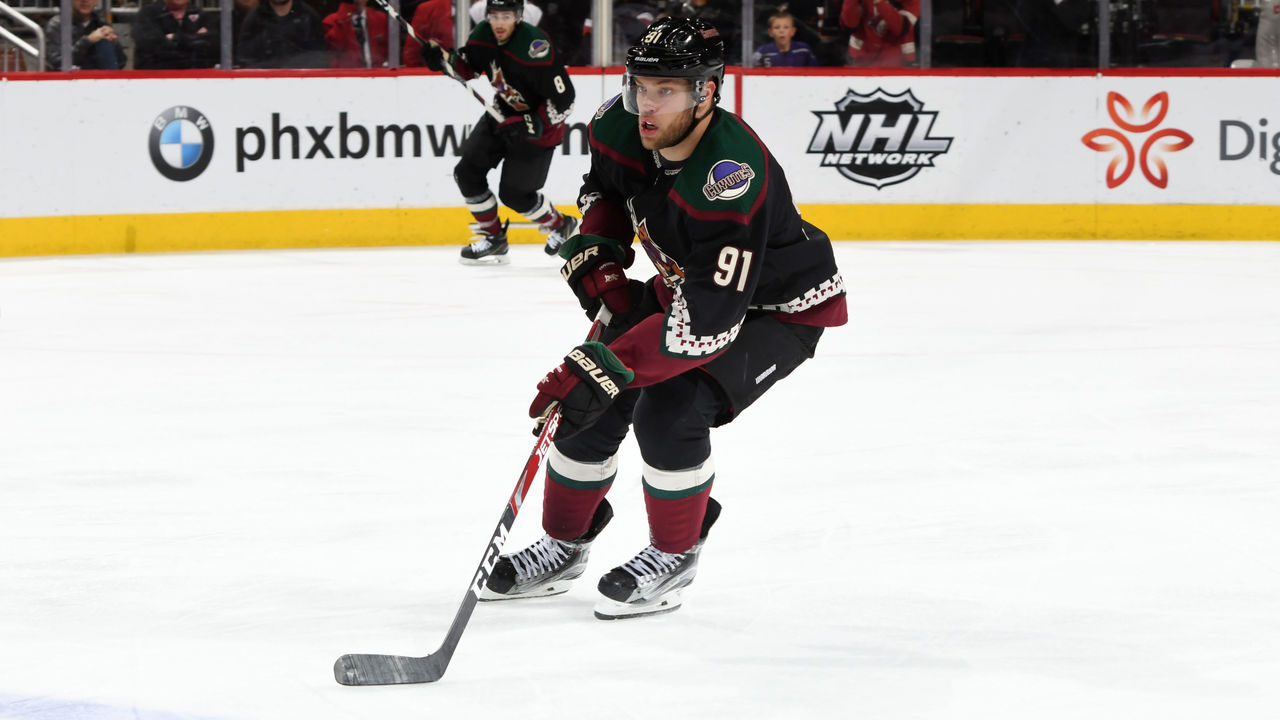
Taylor Hall
Norm Hall / National Hockey League / Getty
Ten years after being drafted first overall, Hall has only appeared in five playoff contests, and he's expressed his desire to compete in more meaningful games on numerous occasions. Factor in his status as a pending unrestricted free agent looking for a long-term home with a team that can perennially compete for a Cup, and you can expect Hall to do all that's in his power to be a difference-maker this postseason.
Hall is coming off a down season by his standards, registering 52 points in 65 games, but he's shown he's able to rise to the occasion in his brief playoff career, posting six points in five contests with the Devils in 2018. You can bank on Hall to make the most of his next playoff opportunity, and Arizona's typically goal-starved offense will need him at his best if it hopes to advance.
Matt Duchene
Icon Sportswire / Icon Sportswire / Getty
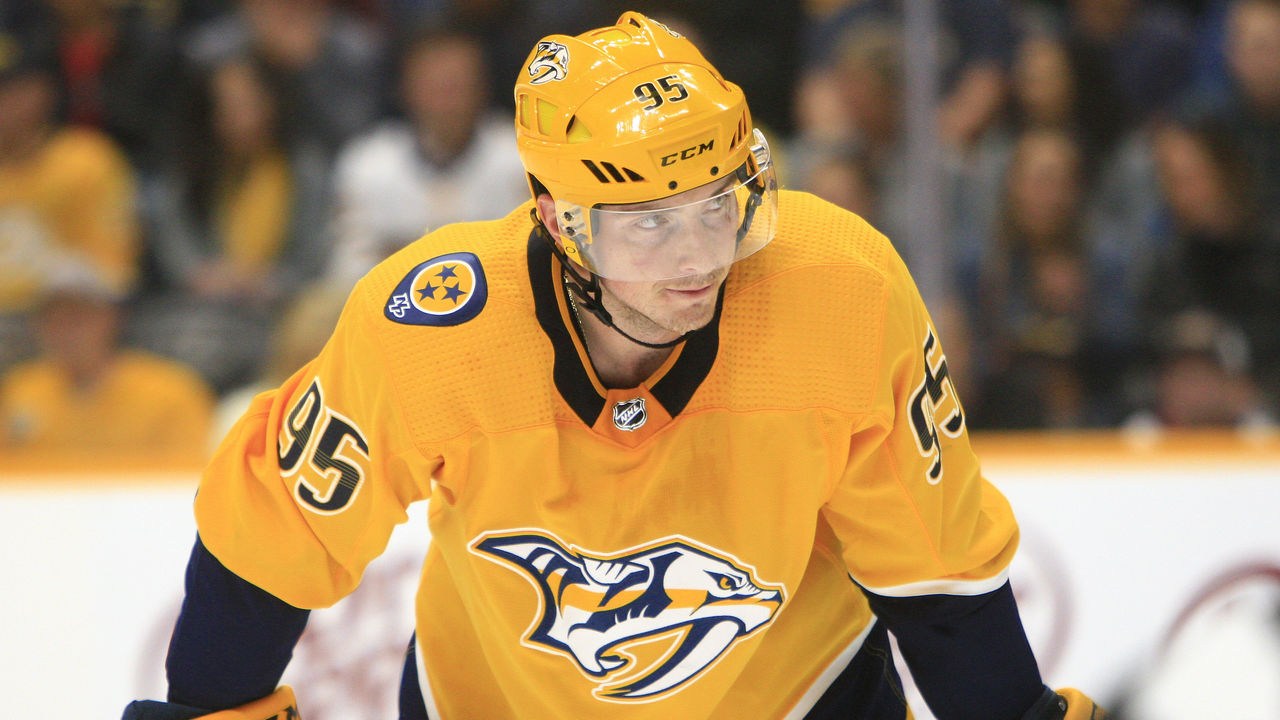
Nashville's attack was snuffed out rather easily by a stout defensive Dallas team in the first round of last year's playoffs, which is one of the main reasons the Predators awarded Duchene a seven-year, $56-million contract. His addition could be the ingredient they were missing in 2019.
In saying that, Duchene will have to improve from his regular-season performance and be the offensive factor Nashville needs. Duchene tallied just 13 goals in his debut season in Music City, his lowest total since 2011-12. A strong playoff can erase a mediocre campaign, and it will be interesting to see if the Predators' highest-paid forward is up to the task.
Coyotes can win if...
They stick with their regular-season game plan. Goaltending and special teams are paramount in the playoffs, and the Coyotes have the advantage in both departments. Add in some timely goal-scoring, and this club could emerge as a tough out.
Predators can win if...
Their key offensive players perform up to their abilities. The Predators have deeper attack options and superior puck possession numbers. However, like Duchene, key forwards Filip Forsberg, Viktor Arvidsson, and Ryan Johansen all turned in disappointing offensive outputs this season. If the Preds' top six can turn it around, they'll look like the powerhouse many pegged them to be back in October.
X-factors
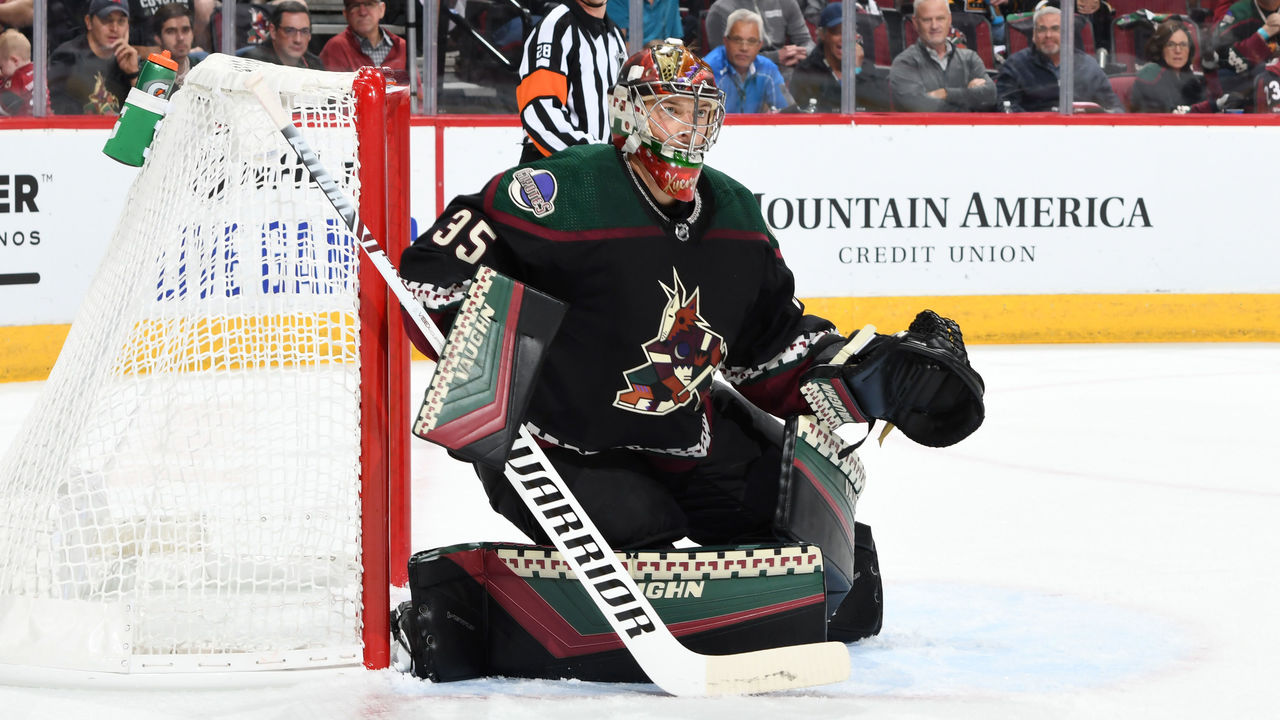
Darcy Kuemper
Norm Hall / National Hockey League / Getty
Kuemper was far and away the Coyotes' MVP this season, and his play indicated he may be capable of stealing a playoff series on his own. The 30-year-old was 16-11-2 while posting a stellar .928 save percentage and 2.22 goals against average before injury derailed his - and nearly Arizona's - season. It's hard to predict what kind of rust may carry over after such a long layoff, but if the Coyotes win, Kuemper will be a big reason why.
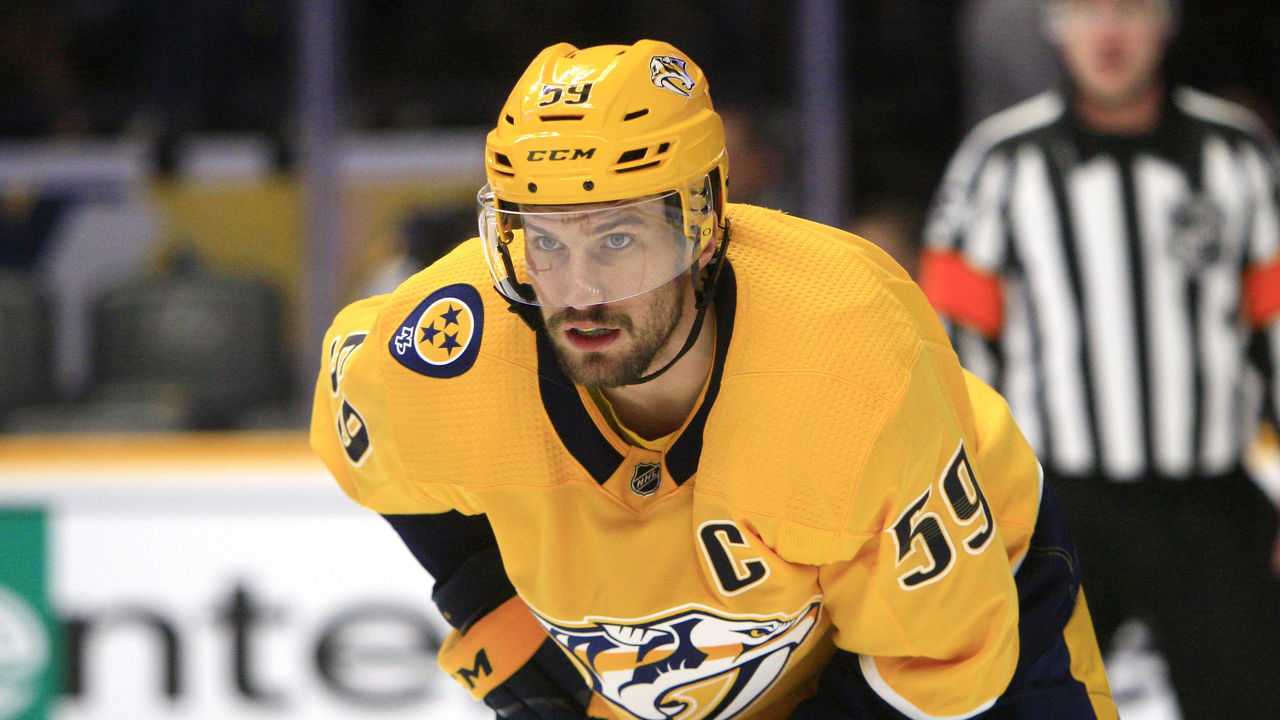
Roman Josi
Icon Sportswire / Icon Sportswire / Getty
Josi is the single most dominant skater in the entire series. His 65 points in 69 games this season led both teams by a significant margin, and you can expect head coach John Hynes to up his ice time - he averaged a whopping 25:47 this season - in a shortened series with no margin for error. The Predators captain is the prototypical workhorse defenseman, and often asserts his presence in all situations to help Nashville win.